

Hibiscus is pleased to introduce Joe Sizeland as this month’s guest blog contributor. With nearly 20 years in the packaging industry, iBottles Managing Director Joe Sizeland is dedicated to supporting business growth across the UK and Europe. Joe’s hands-on experience in purchasing, marketing, and stock management ensures that iBottles remains a trusted supplier. He keeps technical knowledge of chemical-sector packaging at the forefront of daily operations, combining this with top-tier service to deliver robust packaging solutions.
Packaging decisions carry high stakes in the chemicals sector
For small businesses in the chemicals sector, packaging choices are high stakes. They affect how safely a product can be stored and transported, while also shaping compliance, costs and customer trust. Get it right, and packaging helps everything move smoothly through the supply chain. Get it wrong, and it can lead to unnecessary risk, delays and expense.
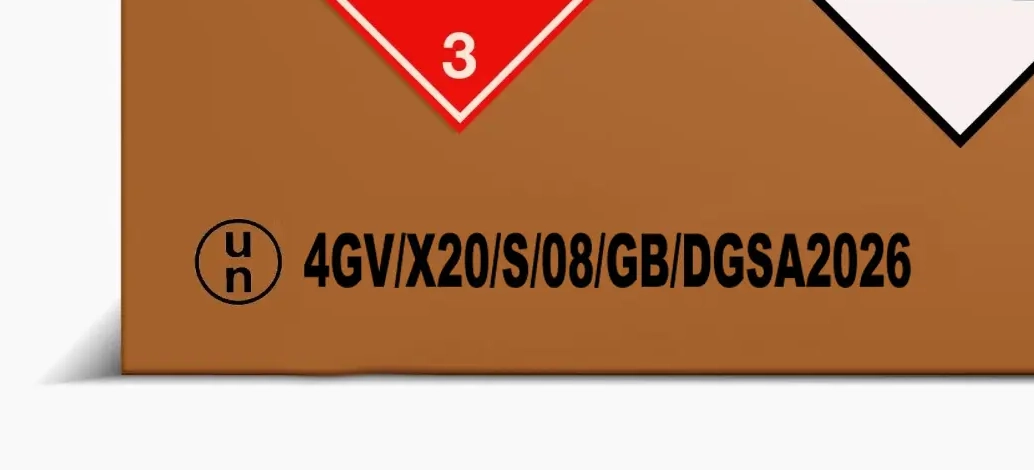
For businesses moving dangerous goods in Great Britain, packaging is not just a matter of picking a sturdy container. In most cases, it must meet recognised UN specification standards, pass performance testing and be certified for transport use. Those requirements sit within ADR, the rules that govern how dangerous goods are classified, packaged and labelled for transport by road.
For smaller operators, the challenge is often not understanding that UN packaging is needed, but knowing how to choose the right format without overbuying, under-specifying or making assumptions based on product titles alone.
Start with the substance, not the container
The first question is not whether you want a bottle, jerrycan or drum. It is what the product actually is in transport terms. Dangerous goods packaging has to suit the substance it contains, which means classification, packing group, transport mode and filling conditions all come first. GOV.UK is explicit that packaging must meet the needs of the substance it is intended to contain, not just the commercial preferences of the shipper.
That matters for small businesses because it is easy to think of packaging as a stockholding issue rather than a technical one. A pack that looks robust may still be the wrong choice if it has not been approved for the relevant use case, or if the closure, lining or material compatibility is not right for the formulation.
Match the pack format to the way the product moves
Once the substance has been properly classified, format becomes the next practical decision. For many smaller chemical businesses, that usually means choosing between bottles for samples and smaller fills, jerrycans for regular dispatches and drums for larger-volume storage or transport.
The current UN-approved chemical packaging range on iBottles gives a useful sense of how those choices play out in practice. Taken together, those formats reflect the different pressures small operators are working with. Smaller containers tend to suit controlled quantities, samples and specialist fills, while jerrycans are often a more natural fit for repeat shipments and straightforward warehouse handling. Drums, by contrast, come into their own where the priority is bulk storage, larger-scale movement or decanting on site.
Material choice still matters
Compliance is only part of the decision. Even where a packaging format is suitable for transporting dangerous goods, the material still needs to be right for the product itself. In practice, that means thinking about how the chemical will behave in the container, how it will be filled, how it will be handled in transit and what kind of closure is needed to keep it secure.
For small businesses, that makes material choices more than convenience or cost. Chemical resistance, durability and storage conditions all need to be factored in from the outset. It is also worth remembering that plastic packaging does not have an unlimited service life. HSE notes that, under ADR, plastics packaging is normally limited to five years of use, with some substances subject to even tighter restrictions.
Build sustainability in without compromising compliance
Sustainability is increasingly part of the packaging conversation, including in the chemical sector. Recycled-content plastics and more environmentally conscious sourcing are becoming more visible across the market, and for smaller businesses, that can be an important part of reducing packaging impact.
That said, sustainability should not be treated as a shortcut to suitability. A recycled-content pack may be the right choice in some applications, but it still has to be appropriate for the product, the transport conditions and the regulatory requirements involved. In other words, the greener option is only the better option if it is also fit for purpose.
For many smaller firms, the most realistic approach is a balanced one: use the packaging needed to meet compliance and product safety requirements first, then look for opportunities to reduce impact through smarter pack sizes, lower damage rates, reuse where permitted, and more sustainable materials in parts of the range where regulation allows greater flexibility.
Think beyond the container itself
Choosing the right container is only one piece of the puzzle. Dangerous goods also need the correct labelling, markings and transport documentation, and the wider process around storage, handling and dispatch matters just as much as the packaging itself.
That is particularly important for smaller businesses as they grow. Packaging decisions are strongest when they sit alongside clear internal processes for labelling, record-keeping, stock rotation and shipment checks, rather than being treated as a one-off purchasing task.
The practical takeaway
For small chemical businesses, choosing packaging is usually safest when approached in stages: first understand the substance and its transport requirements, then select the most suitable format, confirm that it meets the necessary standards, and only after that weigh up factors such as cost, convenience and sustainability.
The iBottles range allows you to select UN-approved chemical packaging from a wide range of products. Working with a trusted UK-based supplier like iBottles often makes all the difference between reactively buying packaging, and securing packaging that is genuinely fit for the job.

