

Transporting hazardous materials by road requires more than just logistics planning, it demands a clear understanding of ADR compliance and a commitment to safety at every stage. Having a solid grasp of ADR regulations and even going as far as completing a DGSA training course is essential for avoiding risk and maintaining operational confidence.
ADR (the European Agreement concerning the International Carriage of Dangerous Goods by Road) provides a structured framework for how hazardous materials should be classified, packaged, labelled, and transported. While the regulations are detailed, they exist for a simple reason: to protect people, infrastructure, and the environment.
In this guide, we’ll explore what ADR compliance involves, why it’s important, and how the right hazardous goods course and training can make it far more manageable for your business.
What Does ADR Compliance Involve?
At its core, ADR compliance means following a set of legally defined standards that govern the safe transport of hazardous goods. These standards apply to a wide range of industries, from manufacturing and chemical distribution to logistics and waste management.
ADR compliance is about ensuring every stage of the journey is controlled and safe. This includes:
- Correctly identifying and classifying hazardous substances
- Using approved packaging that prevents leaks or damage
- Applying clear and accurate hazard labels
- Preparing compliant transport documentation
- Ensuring vehicles and drivers meet ADR requirements
Businesses that invest in a structured dangerous goods course or hazardous goods course often find it much easier to understand and implement these requirements consistently.
Why ADR Compliance is So Important
ADR regulations exist to reduce the risks associated with transporting dangerous goods, but their importance goes beyond legal obligation. Strong compliance protects your people, your operations, and your reputation.
Failing to meet ADR standards can lead to:
- Fines and enforcement action
- Shipment delays and operational disruption
- Increased likelihood of incidents or accidents
- Reputational damage with clients and regulators
On the other hand, businesses that prioritise compliance benefit from:
- Safer working environments
- More efficient and organised processes
- Increased trust from customers and partners
- Reduced long-term risk
For many organisations, building this level of confidence starts with effective ADR training and ongoing learning.
The Core Elements of ADR Compliance
Understanding ADR compliance becomes much more straightforward when you break it into its key components. Each plays a critical role in ensuring hazardous goods are transported safely.
Classification
Every hazardous material must be assigned to the correct ADR class. This determines how it should be handled, packaged, and transported. Incorrect classification can lead to serious safety risks and compliance breaches.
Packaging
ADR-approved packaging is designed to contain hazardous materials securely under transport conditions. This includes testing standards and specific packaging instructions depending on the substance.
Labelling and Marking
Hazard labels, UN numbers, and other markings communicate the risks associated with the goods. Clear labelling ensures that anyone handling the shipment understands the potential hazards.
Documentation
Transport documents must be accurate, complete, and readily available. Errors in documentation are one of the most common causes of non-compliance, making attention to detail essential.
Vehicle and Equipment Standards
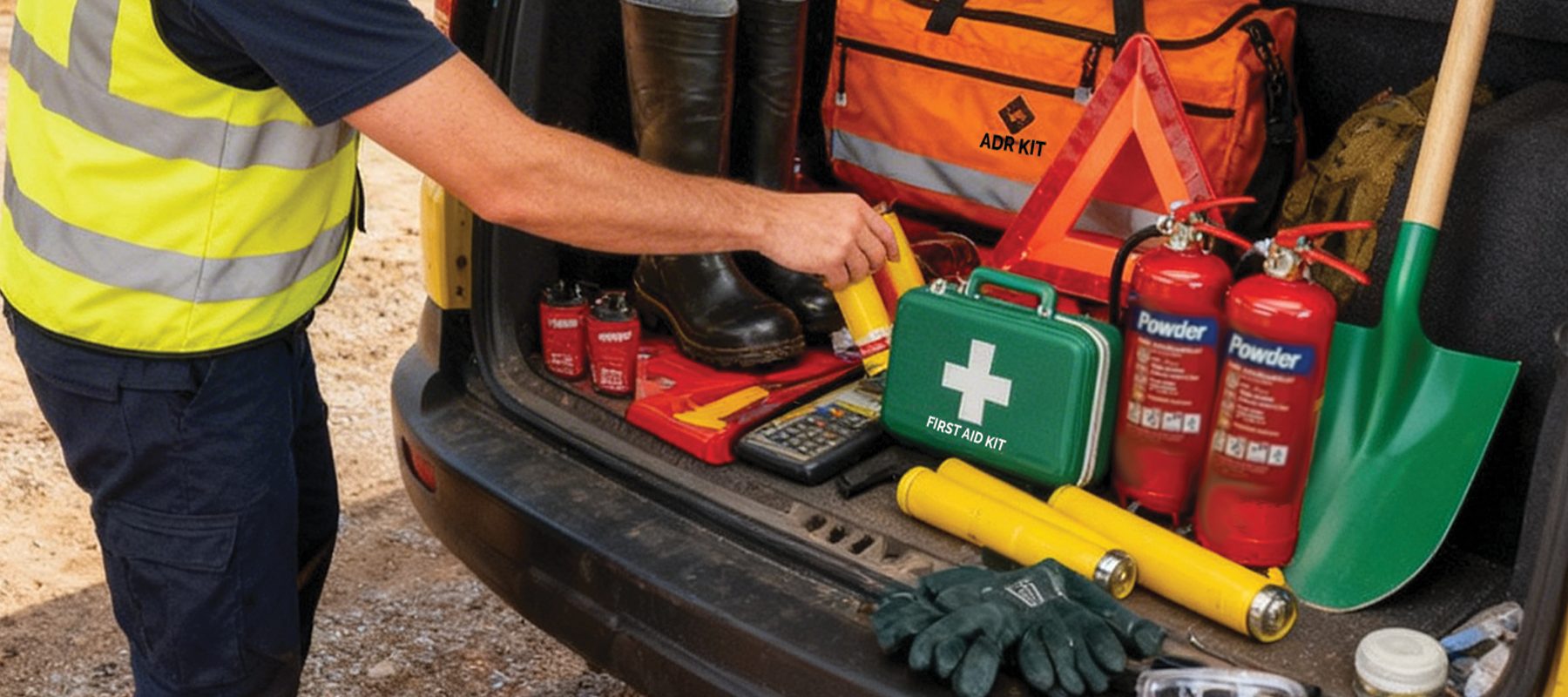
Vehicles transporting hazardous goods must meet ADR requirements, including carrying appropriate safety equipment and displaying correct signage.
The Importance of DGSA Training
For many businesses, appointing a Dangerous Goods Safety Advisor (DGSA) is a legal requirement. This is where DGSA training plays a vital role in supporting ADR compliance.
A DGSA helps organisations:
- Monitor and maintain compliance with ADR regulations
- Provide expert guidance on hazardous goods transport
- Investigate incidents and recommend improvements
- Produce annual compliance reports
Having a qualified DGSA ensures that compliance is actively managed rather than treated as a one-off task. It also provides reassurance that your business is operating to a recognised professional standard.
If you’re based in the UK, consider ADR training in Yorkshire that can offer accessible, high-quality routes into DGSA qualification and broader compliance knowledge.
Common Pitfalls Businesses Should Avoid
Even experienced organisations can face challenges when it comes to ADR compliance. The complexity of regulations means small mistakes can easily occur without proper oversight.
Some of the most frequent issues include:
- Outdated or incomplete documentation
- Incorrect hazard classification
- Missing or unclear labelling
- Lack of regular staff training
- Poor internal communication around compliance procedures
Addressing these challenges often comes down to improving training and establishing clear, repeatable processes supported by a reliable dangerous goods course.
How ADR & DGSA Training Strengthens Compliance
Investing in ADR training is one of the most effective ways to build confidence and consistency across your team. Training ensures that employees not only understand the rules but also know how to apply them in real-world scenarios.
A strong training programme will typically cover:
- Key ADR regulations and responsibilities
- Hazard identification and classification
- Packaging and labelling requirements
- Documentation best practices
- Emergency response procedures
Flexible options, including online and in-person hazardous goods course delivery, make it easier than ever to ensure your team stays up to date.
For businesses looking to go further, combining awareness-level learning with advanced DGSA training creates a comprehensive approach to compliance.
Practical Ways to Improve ADR Compliance
Improving ADR compliance doesn’t require a complete operational overhaul. Small, consistent actions can lead to significant improvements over time.
Consider implementing the following:
- Regular compliance reviews to identify gaps
- Ongoing staff training to maintain knowledge levels
- Standardised documentation processes to reduce errors
- Internal audits to track progress and accountability
- Clear communication channels for reporting issues
By embedding these practices into your daily operations, compliance becomes part of your business culture rather than an afterthought.
Creating a Compliance-First Culture
The most successful businesses treat ADR compliance as a shared responsibility. When everyone understands their role and feels confident in their knowledge, maintaining standards becomes much easier.
Building this culture involves:
- Encouraging accountability at all levels
- Providing accessible and relevant training
- Keeping processes clear and easy to follow
- Reinforcing the importance of safety and compliance regularly
Over time, this approach leads to stronger performance, fewer incidents, and greater overall efficiency.
Ready to Strengthen Your ADR Compliance?
ADR compliance for hazardous goods is a critical part of operating safely and responsibly within regulated industries. While the requirements can seem detailed, the right combination of knowledge, training, and structured processes makes compliance achievable and sustainable.
From accurate classification and labelling to comprehensive ADR training and DGSA training, every element contributes to a safer, more efficient operation. By taking a proactive approach, businesses can reduce risk, improve performance, and build long-term confidence in their processes.
If you’re looking to build expertise and confidence across your team, our range of training courses can support you at every stage:
- 5-Day DGSA Qualification Course – Become a certified Dangerous Goods Safety Advisor
- 3-Day Road & Sea Course – Practical, in-depth ADR & IMDG training for transport operations
- 2-Day Resit / Revalidation / Refresher Course – Stay current and compliant
- Half-Day Dangerous Goods Awareness Training – Ideal for teams needing a basic but solid foundation
Whether you’re starting your journey or refreshing your knowledge, there’s a course to suit your needs and help you stay fully compliant with ADR regulations! Book one of the courses above now!

